Blogs
What Are the Disadvantages of Aramid Fiber? | DOMADIA™ Insights
Introduction — The Fiber Everyone Loves… But Rarely Questions
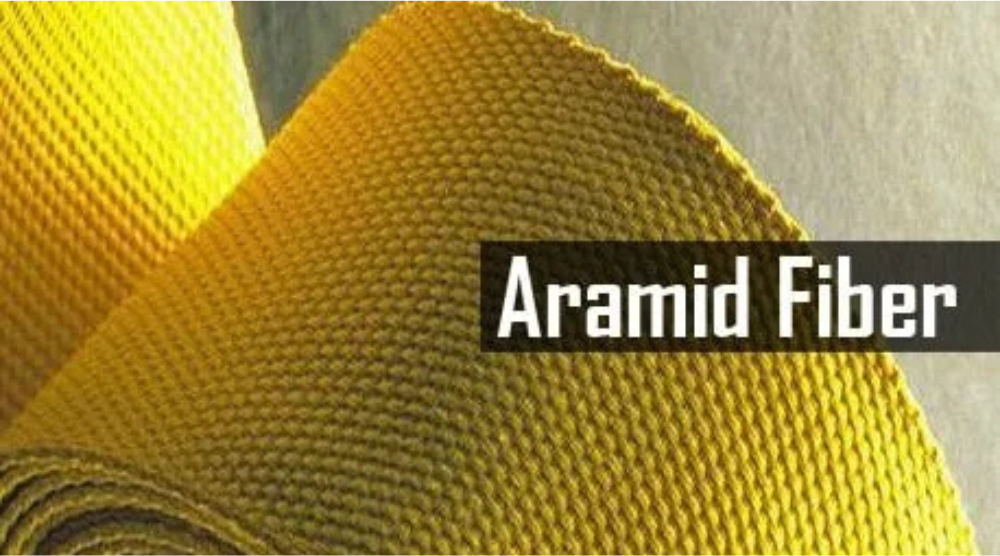
Aramid fiber is world-famous for its strength, flame resistance, and durability. Aerospace engineers trust it. Firefighters rely on it. Even the most demanding electrical insulation systems depend on it daily.
But here’s the truth many manufacturers quietly skip: even high-performance materials come with limitations. And if you understand these disadvantages well, you can choose better, optimize your design, and reduce long-term costs.
So, let’s break down the real disadvantages of aramid fiber — explained in a simple, technical, and industry-relevant tone.
What Are the Disadvantages of Aramid Fiber?
1. Moisture Sensitivity
Aramid fibers tend to absorb moisture quickly, which directly affects their dimensional stability and long-term performance. When exposed to humid environments, these fibers may swell, soften, or lose rigidity, leading to reduced mechanical strength. This moisture uptake is especially problematic in electrical insulation systems, where even slight water absorption can lower dielectric performance and increase the risk of insulation failure over time.
2. UV Degradation
Aramid fibers degrade significantly when exposed to ultraviolet radiation. Continuous sunlight causes surface fuzzing, discoloration, brittleness, and a gradual loss of tensile strength. Without proper UV-resistant coatings or coverings, aramid materials are unsuitable for outdoor applications or environments with prolonged sun exposure.
3. Poor Compression Strength
While renowned for outstanding tensile strength, aramid fibers perform poorly under compression. They can buckle, deform, or lose structural stability when subjected to compressive loads or multidirectional impacts. This limitation often requires pairing aramid fibers with carbon fiber or hybrid composites to achieve balanced mechanical behavior.
4. Difficult to Cut & Machine
Aramid fibers are extremely tough, making them challenging to cut, drill, or process using standard tools. Cutting blades wear prematurely, machining takes longer, and special tools—like carbide blades or laser systems—are often needed. This increases production complexity and raises fabrication costs across industries like aerospace and automotive.
5. Limited Resistance to Acids & Alkalis
Aramid fibers offer poor compatibility with strong acids, alkalis, and harsh chemical environments. Such exposure can weaken their structure, cause delamination, or trigger premature failure, restricting their use in chemical processing or corrosive industrial settings.
6. Higher Cost Compared to Alternatives
Compared to materials like E-glass, polyester, or polypropylene fibers, aramid fiber is significantly more expensive. This higher cost limits its feasibility in large-scale or budget-sensitive projects.
7. Thermal Shrinkage at High Temperatures
Despite being heat-resistant, aramid fibers may shrink or lose dimensional stability when exposed to extreme temperatures above 400–500°C. This alters performance in high-heat industrial environments.
8. Limited Recyclability
The complex molecular structure of aramid fibers makes recycling difficult and costly. Their limited recyclability increases environmental challenges and encourages industries to seek alternatives like basalt or polyimide fibers.
Where Does DOMADIA™ Fit In?
At DOMADIA™, we supply precision-engineered Meta-Aramid, Para-Aramid, Polyimide, Basalt, and High-Temperature Speciality Fibers — helping manufacturers select not just strong materials but the right materials.
If aramid fiber limitations worry you, our experts help you choose alternatives that offer:
✓ Better chemical resistance
✓ Higher thermal stability
✓ Longer service life
✓ Cost-effective replacements
Conclusion
While aramid fiber is incredibly strong and heat-resistant, engineers must understand its disadvantages — moisture uptake, UV sensitivity, poor compressive strength, machining difficulty, chemical vulnerability, and cost concerns.
Knowing these drawbacks helps you design safer, smarter, and more efficient products.
Choose Smarter. Perform Better.
Explore advanced alternatives to aramid fibers with DOMADIA™ High-Performance Materials. Optimize your design with expert guidance.
👉 Contact DOMADIA™Today
📩 Contact us today to get custom sizes and specifications for your project.
Talk to: Er.Pankaj Domadia | Kairav Domadia | Aadil Domadia | Pragati Sanap | Pooja N N
#AramidFiber #TechnicalMaterials #HighTemperatureFibers #DOMADIA #MetaAramid #ParaAramid #EngineeringMaterials #InsulationMaterials
Directly whatsapp us for an Enquiry: https://wa.link/kairav